

For several decades, scientists assured us that behavioral differences between human groups could not have genetic causes because these perceived divisions of humanity are simply social inventions, with no significant genetic reality. That conviction was dealt a fatal blow last week with the publication of a groundbreaking study which found significant evolution over the past 10,000 years in the Western Eurasian population, including genes for skin color, health, behavioral, and cognitive traits. This study demonstrates two important things: human populations do exist genetically, and there are substantial differences between these populations.
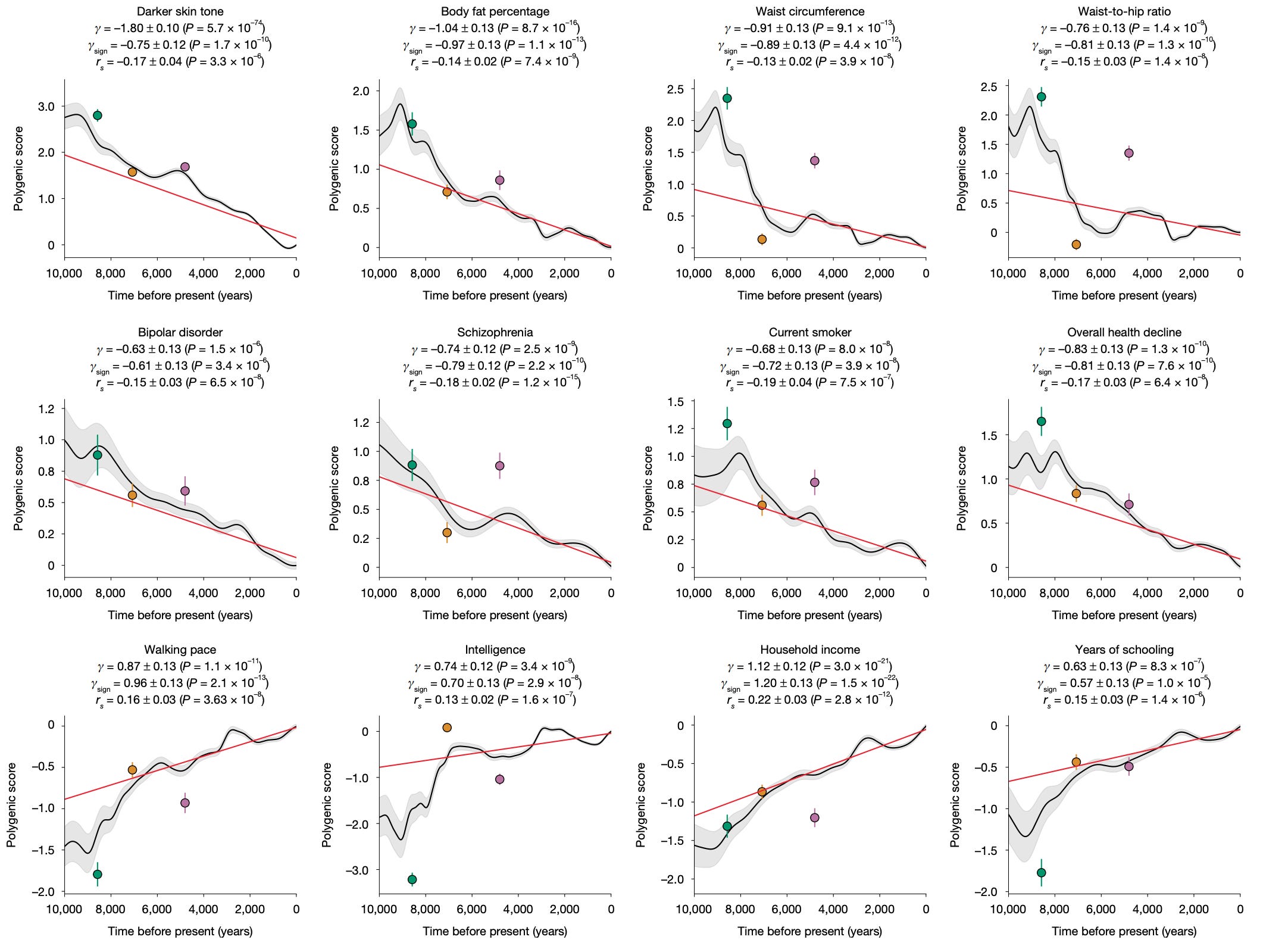
I would not normally say a single study “proves” anything, but other researchers and other studies have been predicting this conclusion for years. This study also has the prestige of coming from one of the top DNA research labs in the world, and all data from the research was made freely available to the public before the article was published.
There was also ample warning that this was coming. David Reich, the head of the Harvard genetics lab responsible for the study, wrote in a New York Times op-ed in 2018:
I am worried that well-meaning people who deny the possibility of substantial biological differences among human populations are digging themselves into an indefensible position, one that will not survive the onslaught of science. I am also worried that whatever discoveries are made — and we truly have no idea yet what they will be — will be cited as “scientific proof” that racist prejudices and agendas have been correct all along, and that those well-meaning people will not understand the science well enough to push back against these claims.
This is why it is important, even urgent, that we develop a candid and scientifically up-to-date way of discussing any such differences, instead of sticking our heads in the sand and being caught unprepared when they are found.
Most well-meaning people did indeed bury their heads in the sand. One group of 67 scientists even denounced Reich’s claims that such possibilities were likely.
The Fallout
If you are not aware, there is a persistent average IQ gap between blacks and whites. This gap has been observed for over 100 years, and scientific consensus is that the cause must be 100% environmental. Some people are saying that this study explains the black-white IQ gap (exactly what Reich predicted would happen). It does not. We do not have accurate genetic data (including enough ancient African DNA) to determine if that population went through a similar evolutionary process. Right now, all we know from genetic evidence is that important group differences exist. We do not yet have enough data from other populations to compare the differences accurately.
Some who investigate the other lines of evidence have found them sufficient for adopting a hereditarian view to explain things like IQ gaps between groups. Others don’t find the evidence very convincing. For the average person who doesn’t have the time to spend reading books, studies, and essays on the topic, the best course of action now, in my opinion, is to be agnostic about the causes of group behavioral differences. Denial of possible genetic factors is off the table, but there is no certainty either. We are in a murky waters of change right now, where the old beliefs are dying but there are no new beliefs to replace them.
Moral Case for Equality
Basing your moral beliefs on social scientific theories is like building your house on sand. Saying that we should treat all people equally because science has “proven” there are no important group differences was foolish and shortsighted. All humans deserve equal treatment and equal dignity due to our shared nature as intelligent beings, regardless of group differences. To limit equality to that which is justified by empirical claims is to diminish the true nature of the human race and our unique existence.